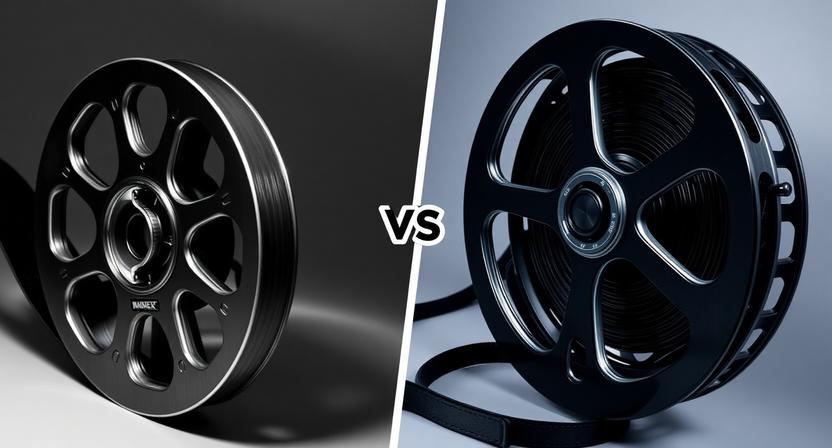
Historically, films have served as society’s mirror, showcasing the complexities of human life and societal structures. From social dramas to political thrillers, filmmakers have used cinema to reflect the world around them.
For instance, movies addressing war, poverty, or injustice often highlight societal struggles and provoke discussion. Classics like To Kill a Mockingbird (1962) or Lagaan (2001) not only entertained but also prompted audiences to think critically about racial inequality, colonialism, and social justice. Even romantic films, comedies, or musicals often contain subtle commentary on societal norms, family structures, and cultural traditions.
Cinema allows viewers to experience empathy and perspective. By witnessing characters navigate real-life challenges, audiences reflect on their own lives and the world around them. Movies can inspire change, spark movements, and leave lasting impressions that shape public consciousness for years.
Reels as Modern Trendsetters
While movies reflect society, reels actively shape it. Reels are short-form, mobile-friendly videos that are designed to be shareable, viral, and interactive. They capture moments from films, create challenges, or highlight cultural trends that audiences immediately adopt.
A single reel can make a dance routine, a dialogue, or a comedic moment viral in hours. Platforms like Instagram, TikTok, and YouTube Shorts amplify this reach, turning scenes into cultural phenomena. For example, a catchy line from a film can become a trending audio clip, inspiring millions of users to recreate it, add their twist, and spread it globally. Similarly, dance sequences or fashion moments from movies often become templates for fan-made reels, influencing style and behavior.
Unlike films, reels are interactive and immediate. They allow audiences to participate in the storytelling process by creating, remixing, and sharing content. This active engagement turns passive viewers into cultural contributors, helping shape trends, memes, and social media conversations.
The Cycle of Influence Between Movies and Reels
Movies and reels share a symbiotic relationship that sustains both art and culture. Movies inspire reels, providing raw material: dialogues, dramatic scenes, musical numbers, and comedic sequences. Fans transform these cinematic moments into bite-sized reels that spread rapidly across social media.
At the same time, reels keep movies relevant long after their release. Scenes that go viral can introduce a film to audiences who might have missed its theatrical release. Memes, challenges, and fan edits act as continuous promotion, extending the cultural footprint of a movie. This cycle of influence ensures that cinematic storytelling remains present in everyday life, blending the long-form depth of films with the immediacy of short-form content.
For example, a scene from a recent movie might spark a reel challenge where fans recreate it with their unique twist. These reels can go viral, reaching millions who may then watch the full movie to understand the context. In this way, reels amplify the societal mirror that films provide, ensuring the movie’s messages, humor, or emotions continue to resonate.
Reels Amplifying Social Commentary
Reels are not only trend-driven but can also amplify the social commentary present in films. A socially conscious movie may spark reels that highlight its message — from awareness campaigns to viral clips that provoke discussion. For instance, a film addressing mental health might inspire short reels encouraging self-care tips or conversations about stigma.
This amplification allows movies to reach younger audiences who primarily consume content on mobile platforms. By bridging traditional cinema and social media, reels extend the reach of stories that matter, keeping societal conversations alive and relevant.
Cultural Integration and Virality
The viral nature of reels ensures that movies influence popular culture beyond theaters. Trends like catchphrases, fashion statements, or dance moves are quickly adopted and replicated globally. Reels act as a cultural accelerator, turning cinematic moments into everyday language and behavior.
Conversely, social media trends can also influence the way filmmakers create content. Studios now produce reel-ready sequences, knowing that short, impactful clips are more likely to be shared widely. This creates a feedback loop where movies reflect societal aspirations, reels propagate them, and films adapt to maximize their cultural resonance.
Balancing Art and Trends
It is important to recognize the distinct yet complementary roles of movies and reels. Movies offer depth, context, and reflection, allowing audiences to explore complex narratives and emotions. Reels, meanwhile, provide immediacy, participation, and virality, connecting audiences to culture in real time.
Together, they offer a holistic entertainment experience: films provide the mirror that reflects society’s truths and struggles, while reels transform these reflections into trends that shape behavior, dialogue, and cultural practices. This balance ensures that storytelling evolves without losing its core magic.
Conclusion
Movies and reels, though different in form and function, are interconnected forces in modern culture. Films continue to reflect society’s struggles, dreams, and values, while reels amplify these reflections, turning memorable moments into viral trends. Together, they create a continuous cycle of inspiration: movies provide the content, and reels keep it alive, relevant, and interactive.
By understanding this dynamic, audiences can appreciate both the reflective depth of cinema and the cultural immediacy of reels. Movies and reels together demonstrate that storytelling is adaptable, evolving with technology and society, yet always retaining the power to entertain, inspire, and connect people worldwide.
In essence, films are the mirror, and reels are the ripple. One reflects society, the other spreads it — and together, they shape culture.
Movies have historically reflected society’s struggles, dreams, and values from addressing war and poverty to celebrating love and hope.
Reels, on the other hand, often set trends that society follows from viral dances to popular catchphrases.
Together, movies and reels create a cycle of influence: movies inspire reels, and reels keep movies relevant by spreading scenes, dialogues, and memes.

Related Posts