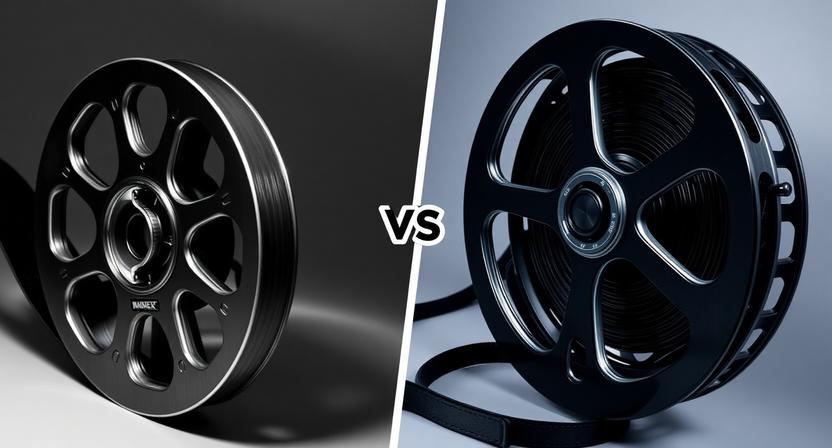
Storytelling in cinema has always evolved with time. From the black-and-white masterpieces of early Hollywood and timeless Bollywood classics to the fast-paced, viral reels dominating social media today, the ways we consume and interact with stories have changed dramatically. Both classic films and modern reels serve the purpose of entertainment, but they differ in style, pace, and impact. Understanding these differences can enrich our appreciation of storytelling and highlight how culture adapts to new media.
The Allure of Classic Films
Classic films are often celebrated for their slow, detailed, and immersive storytelling. Unlike today’s bite-sized content, these films were crafted to draw audiences into a world for hours at a time, allowing characters, plotlines, and emotions to develop gradually. A film like Casablanca (1942) or Sholay (1975) unfolds with a deliberate pace, building tension, creating depth, and emphasizing every detail — from dialogue delivery to cinematography and score.
Classics often span over two hours, providing space for multiple story arcs, layered character development, and thematic exploration. Viewers are invited to immerse themselves fully into the narrative world, experiencing subtle emotional cues and nuanced performances. These films encourage reflection and patience, cultivating a deep understanding of human emotions, societal norms, and cultural history.
Another hallmark of classic films is their timeless lessons. Whether it’s morality, love, friendship, or sacrifice, the themes of classics resonate across generations. Even decades after their release, these films continue to inspire filmmakers and audiences, proving that good storytelling is enduring.
The Rise of Modern Reels
In contrast, modern reels are designed for today’s fast-paced, mobile-driven world. Platforms like Instagram, Facebook, TikTok, and YouTube Shorts have transformed how audiences consume visual content. Reels are short, flashy, and immediate, often lasting 15–60 seconds. They aim to grab attention instantly, using catchy music, quick cuts, visual effects, and trending formats.
Unlike classics, reels focus on instant engagement rather than deep immersion. A single reel may feature a memorable dialogue, a funny moment, a dance challenge, or a behind-the-scenes glimpse. The objective is not to tell an entire story but to spark curiosity, entertain, and encourage sharing. In many ways, reels reflect our shortened attention spans and desire for instant gratification in a digital age.
Despite their brevity, reels are highly effective marketing and cultural tools. They can go viral in hours, reaching millions worldwide. Memorable clips from movies or series are often adapted into reels, transforming scenes into cultural touchpoints that fans interact with through remixes, memes, or challenges.
Key Differences Between Classics and Reels
The differences between classic films and modern reels are apparent in several areas:
- Pacing and Length: Classics are long and detailed, while reels are short and snappy.
- Storytelling Depth: Classics explore layered narratives and character development, whereas reels prioritize grabbing attention immediately.
- Audience Engagement: Classics require focused viewing in a theater or at home, while reels encourage quick consumption, sharing, and participation.
- Cultural Impact: Classics influence generations over decades; reels generate instant, viral trends that can influence social media culture overnight.
- Production Style: Classic films often rely on traditional cinematography, lighting, and music to build atmosphere; reels utilize editing, trending audio, effects, and mobile-first visuals for maximum engagement.
These differences, however, do not indicate that one is superior to the other. Each medium serves its purpose and appeals to different viewing habits and cultural contexts.
Finding Value in Both
It is important to recognize that classic films and modern reels complement each other rather than compete. Classics offer lessons in patience, depth, and storytelling craftsmanship. They remind us of the power of character arcs, detailed plotlines, and the emotional resonance that comes from long-form cinema. Watching classics allows us to appreciate the foundations of filmmaking, understand cinematic history, and recognize timeless themes.
Reels, on the other hand, cater to modern audiences who live in a fast-moving, digital-first environment. They teach us the value of conciseness, virality, and audience engagement. Reels are interactive, allowing fans to participate in trends, share moments instantly, and express creativity. They also serve as a gateway for younger audiences to explore full-length movies or series by offering bite-sized teasers and highlights.
By enjoying both, we create a balanced media diet. Classic films offer depth and cultural grounding, while reels provide entertainment, accessibility, and connection with modern trends. Together, they enrich our understanding of storytelling, showing how narratives can adapt to changing technologies and audience preferences without losing their magic.
Lessons from the Evolution of Storytelling
The contrast between classic films and reels also reflects broader trends in cultural consumption:
- Adaptation to Attention Spans: Reels acknowledge that audiences now scroll rapidly through content. Quick engagement is necessary to capture interest before users move on.
- Accessibility: Modern reels allow global audiences to experience snippets of stories without committing hours to a full film, making cinema more approachable.
- Cultural Participation: Reels encourage interaction, creativity, and fan-driven trends, whereas classics often inspire appreciation, analysis, and reflection.
- Innovation in Marketing: Reels demonstrate how storytelling techniques are applied to marketing strategies. Studios now create reel-first campaigns to drive anticipation and engagement, while classics relied on traditional advertising like posters and trailers.
This evolution shows that while the medium changes, the essence of storytelling — connection, emotion, and shared experience — remains constant.
Conclusion
Both classic films and modern reels have unique and enduring value. Classics teach us patience, depth, and the power of immersive storytelling, while reels cater to the modern, fast-paced digital environment by offering instant engagement, interactivity, and virality. Neither replaces the other; instead, they highlight the versatility of storytelling and its ability to evolve with changing audience habits.
By appreciating classics while enjoying modern reels, we gain the best of both worlds: the timeless lessons of cinema and the contemporary excitement of short-form, shareable content. Together, they remind us that storytelling can evolve, adapt, and innovate — yet its core magic, the ability to captivate hearts and minds, remains unchanged.
In essence, whether you are sitting in a dim theater watching a 3-hour classic or scrolling through 30-second reels on your phone, the experience of storytelling continues to connect us, inspire us, and entertain us. Embracing both forms allows us to celebrate the full spectrum of cinematic art, honoring tradition while embracing innovation.
Classic films were slow, detailed, and immersive, often lasting over two hours.
Modern reels are fast, flashy, and instant. While classics focused on layered storytelling, reels focus on grabbing attention.
This does not mean one is better than the other.
Classics still hold timeless lessons, while reels cater to our modern, fast-paced world. A balance between appreciating classics and enjoying reels can enrich our cultural experience.
Conclusion
Both classic films and modern reels have unique value. Together, they remind us that storytelling can evolve but never loses its magic.

Related Posts